Antique Furniture Restoration
Practical, detailed guides on stripping, repairing, and refinishing vintage and antique wooden furniture — covering traditional methods used by craftspeople across Poland and Central Europe.
Read the guides
Key Topics
What this resource covers
From surface preparation to final finishing coats — the core stages of furniture restoration explained with practical detail.
Surface Stripping
Removing old varnish, paint, and wax layers safely — chemical strippers, heat guns, and hand-scraping compared for different wood types.
Structural Repair
Fixing loose joints, broken tenons, and split panels using traditional hide glue and modern epoxy consolidants where appropriate.
Wood Preparation
Grain raising, progressive sanding sequences, and how to read the wood surface before applying any finish.
Finishing Options
Oil finishes, shellac, wax, and modern lacquers — when each finish is appropriate and how reversibility affects conservation choices.
Colour Matching
Blending stains and glazes to match patina on period pieces, including walnut, oak, mahogany, and cherry woods common in Polish antiques.
Conservation Ethics
The difference between restoration, conservation, and refinishing — knowing which approach preserves value and which reduces it.
Articles
Recent guides
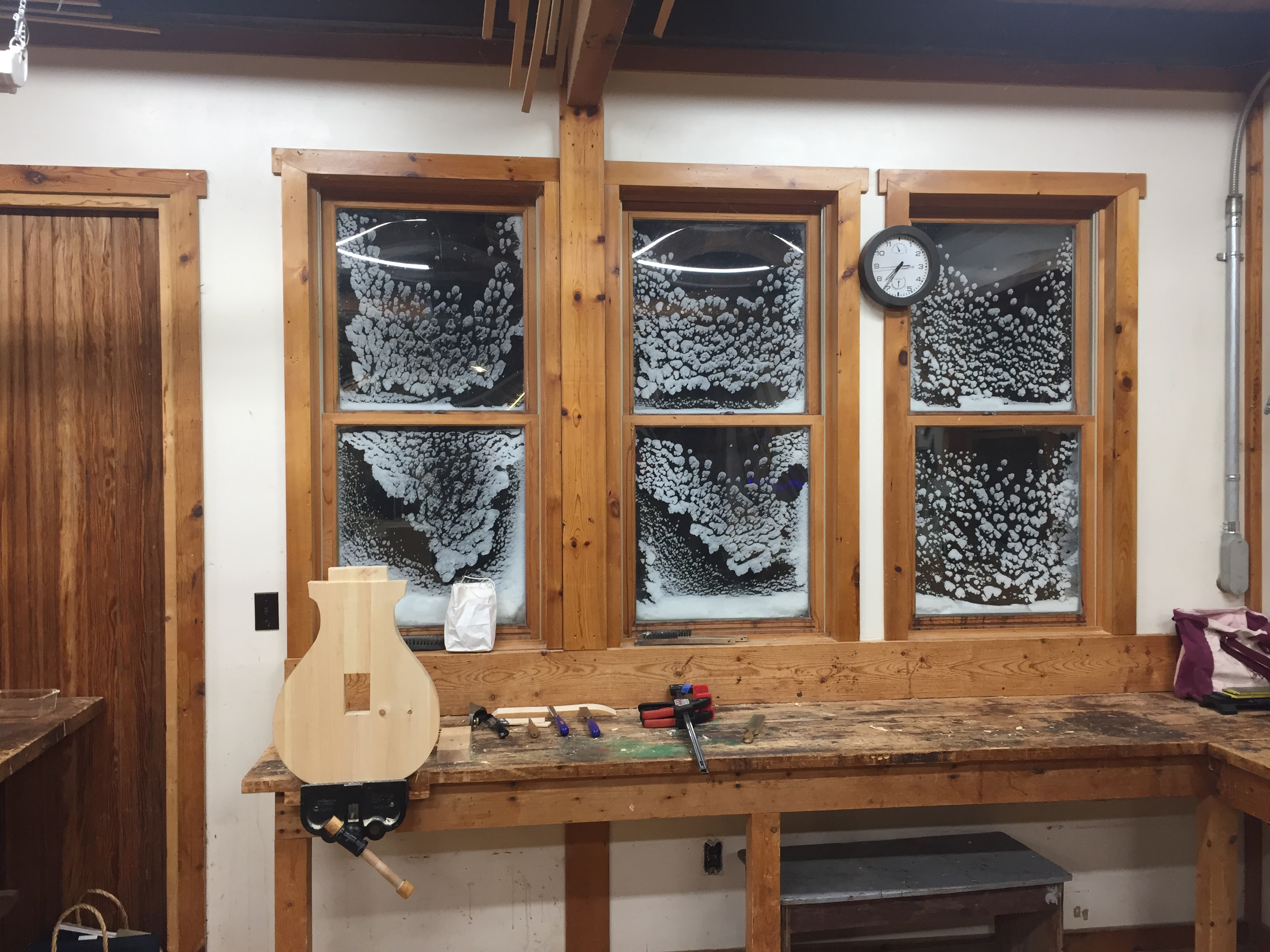
Stripping & Refinishing
How to Strip and Refinish Old Wooden Furniture
A step-by-step approach to removing old finishes and applying a new surface — covering tool selection, safety, and wood-type considerations.

Structural Repair
Repairing Joints and Structural Damage in Antiques
Techniques for re-gluing failed mortise-and-tenon joints, consolidating punky wood, and addressing veneer delamination on period furniture.

Finishing
Choosing the Right Finish for Restored Furniture
Comparing oil, wax, shellac, and lacquer finishes — how each behaves on aged wood and which choices are reversible for conservation purposes.
Enquiries
Get in touch
For questions about specific restoration challenges, content contributions, or general enquiries, use the form or contact details below.
FlitwickHome Editorialul. Marszałkowska 84/92, 00-514 Warsaw
+48 22 123 45 67
contact@flitwickhome.eu
NIP: 5252 8765 43